


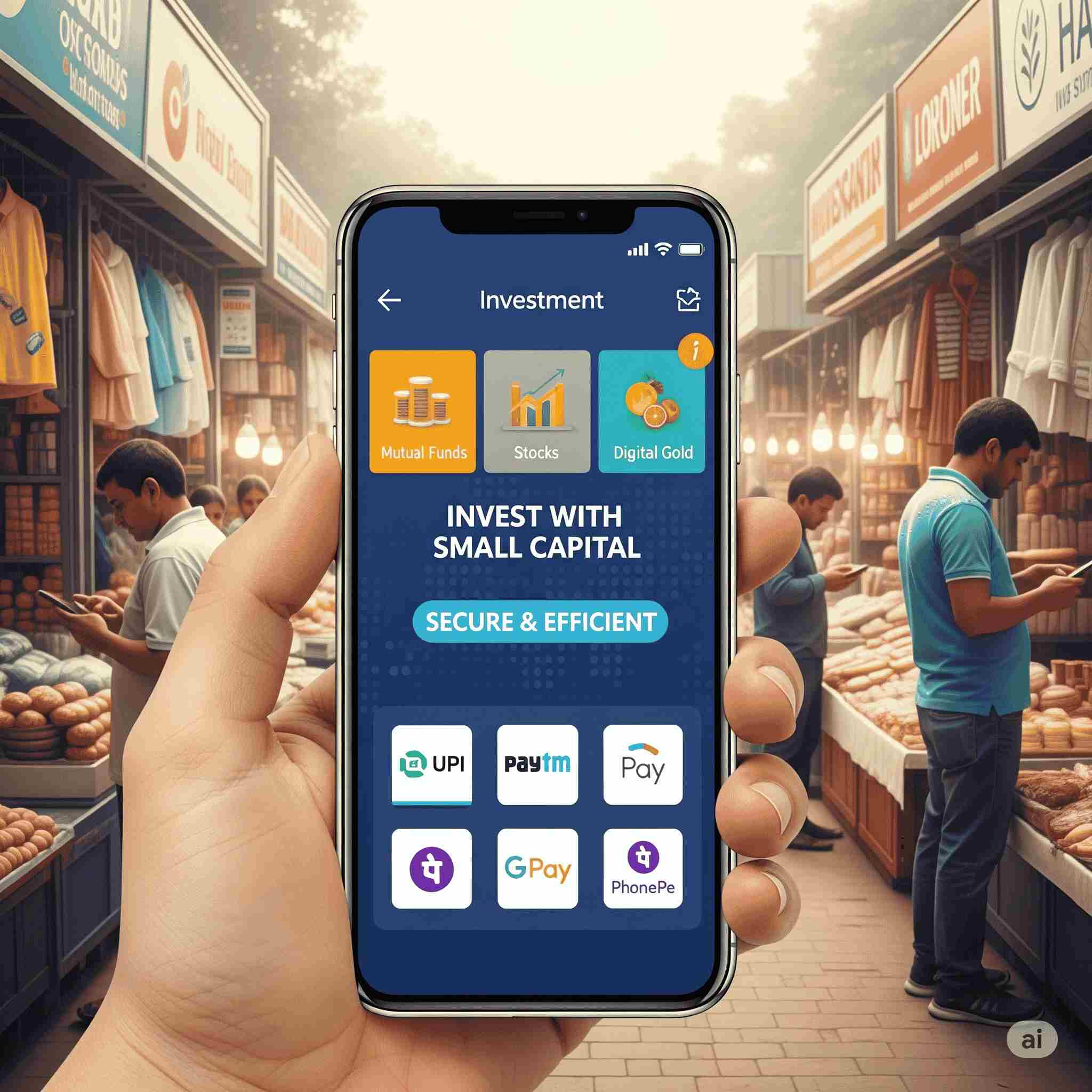
In recent years, India's financial ecosystem has witnessed a monumental shift driven by digital payment tools. From metro cities to rural heartlands, India's move towards a digital economy has been swift and transformative. This revolution has significantly simplified how individuals transact, save, and invest, particularly benefiting retail investors with limited capital.
If you are someone eager to understand how digital payments can amplify your financial management, this blog post is crafted just for you. We will explore the major digital payment tools available in India, their impact on the economy, and how retail investors with small capitals can leverage these tools effectively.
1. Why Digital Payments Are Key for Small Retail Investors
For retail investors with limited capital, convenience, cost-effectiveness, and security are vital. Traditional banking and payment mechanisms often involve time-consuming paperwork, higher transaction fees, and limited accessibility. Digital payment tools break these barriers by:
Reducing transaction costs: Most digital platforms provide zero or minimal fees.
Increasing transaction speed: Instant payments mean rapid portfolio rebalancing and quick fund transfers.
Providing easy access: Investments and payments can be made directly via smartphones or computers, anytime, anywhere.
Offering financial inclusion: These tools bring previously unbanked populations into the formal economy.
2. Overview of Popular Digital Payment Tools in India
India’s digital payment ecosystem covers a wide array of methods. Here are the most relevant for retail investors:
a. Unified Payments Interface (UPI)
Developed by the National Payments Corporation of India (NPCI), UPI allows instant bank to bank money transfers via mobile apps. Platforms like Google Pay, PhonePe, Paytm, and BHIM leverage UPI to offer seamless payments without entering bank details.
Key stats: UPI processed over 8 billion transactions worth more than ₹15 lakh crore in March 2024 alone.
For investors: UPI can be used to quickly fund your investment accounts or make SIP (Systematic Investment Plan) payments.
b. Mobile Wallets
Apps like Paytm, MobiKwik, and FreeCharge store money digitally, allowing quick payments to merchants and investment platforms.
Advantage: Instant payments for small value transactions with cashback and rewards programs.
c. Net Banking & Debit Cards
While not purely digital wallets, internet banking and cards remain crucial digital payment instruments to transact securely online.
d. Bharat Bill Payment System (BBPS)
A centralized bill payment platform useful for automated payments of recurring bills like utilities, insurance premiums, or EMI payments.
3. Economic Impact of Digital Payments in India
Digital payments have had a profound ripple effect on India’s economy:
GDP Growth: McKinsey estimates that digitizing payments can add up to 1% to India’s GDP annually, approximately worth ₹2 lakh crore.
Financial Inclusion: According to RBI, digital payments helped increase formal banking penetration among rural users by 32% from 2017 to 2023.
Job Creation: The digital payments sector generated over 5 lakh new jobs in fintech and related services as of 2023.
Reduction in Cash: India witnessed a 55% decline in cash transactions since 2018 due to digital payment adoption.
4. Benefits of Digital Payments for Retail Investors with Small Capital
a. Cost Efficiency
Often, brokerage houses and investment platforms impose minimum transaction fees, which can be substantial for small transactions. Digital payment portals frequently waive or reduce these fees for digital fund transfers.
b. Accessibility & Speed
Investors no longer depend on branches or office hours. With a smartphone, you can invest anytime, instantly effect transfers, and track your portfolio in real time.
c. Easier Record Keeping
Digital payments automatically generate electronic statements, simplifying tax filing and investment tracking.
d. Enhanced Security
Encrypted transactions, two factor authentication (2FA), and device binding prevent fraud better than cash transactions.
5. Step by Step Guide on Using Digital Payment Tools Securely
For beginners, diving into digital payments can be intimidating. Here’s a simplified guide:
Step 1: Select the Right App
Choose popular apps like Google Pay, PhonePe, or Paytm for UPI transactions. Ensure compatibility with your bank and investment platforms.
Step 2: Set Up Your Account
Link your bank account using UPI PIN (a 4 or 6digit secure code).
Complete KYC (Know Your Customer) as required by the platform.
Step 3: Fund Your Wallet or Bank
Add money to your mobile wallet or use UPI to connect directly with your bank for payments.
Step 4: Perform Transactions
Use UPI IDs or QR code scanning for payments.
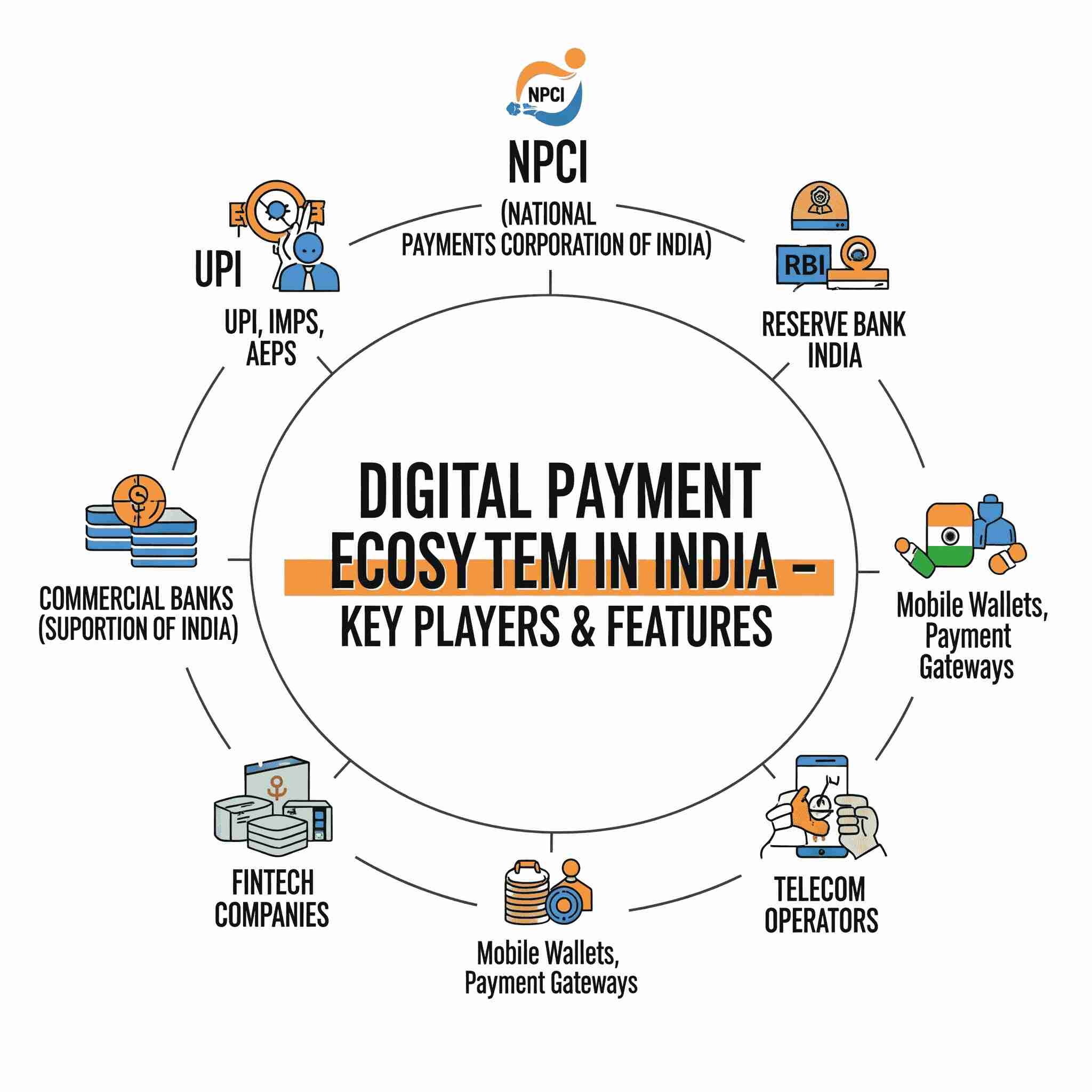
For investments, choose SIP or onetime payment options on your preferred platform and select UPI or wallet payments.
Step 5: Monitor & Secure
Regularly check transaction history.
Use strong passwords and enable app level security (fingerprint or face recognition).
Avoid public WiFi when making payments.
Growth of UPI Transactions (2020–2024)
*Data as of March 2024. Source: NPCI Annual Report 202324
Survey Insights on Digital Payments among Retail Investors
68% of surveyed retail investors with capital under ₹50,000 use UPI apps for investing.
74% find digital payments easier to use than traditional banking.
60% reported that digital wallets have improved their investment frequency by enabling quick SIP payments.
7. Common Challenges and How to Overcome Them
Challenge 1: Digital Literacy
Solution: Government initiatives and fintech companies offer tutorials and customer support.
Challenge 2: Security Concerns
Solution: Only use trusted apps, update software regularly, and never share PINs or passwords.
Challenge 3: Connectivity Issues in Rural Areas
Solution: Offline modes in apps and USSD based payment options are improving reach.
Conclusion: Embracing the Digital Financial Future
India’s economic landscape is increasingly digital, and retail investors, especially those with limited capital, stand to gain immensely by adopting digital payment tools. These platforms remove traditional barriers, making investing simpler, safer, and more accessible.
Start small, use trusted tools, and let digital payments be your gateway to smarter financial decisions and wealth building opportunities.
Additional Resources
NPCI Website: https://www.npci.org.in/
RBI Digital Payment Guidelines: https://rbi.org.in/
